Projection Mapping for Luxury Hotels and Resorts: Creating Immersive Guest Experiences
Luxury hospitality is no longer defined only by beautiful rooms, exceptional service, and premium amenities. Today’s hotels and resorts are also looking for distinctive experiences that create lasting memories, strengthen their brand identity, and encourage guests to return.
Projection mapping for luxury hotels and resorts offers an innovative way to transform architectural surfaces, façades, lobbies, restaurants, gardens, and event spaces into immersive visual environments.
From spectacular evening shows on hotel buildings to elegant projections in luxury dining spaces, this technology allows hospitality brands to combine architecture, storytelling, and digital creativity.
For luxury hotels, boutique resorts, destination properties, and hospitality developers, projection mapping can become a creative tool for guest engagement, special events, and destination marketing.
What Is Projection Mapping for Hotels and Resorts?
Projection mapping is a visual technology that projects digital content onto physical surfaces, adapting the imagery to their dimensions, shapes, and geometry.
Unlike conventional projection onto a flat screen, projection mapping can transform building façades, architectural features, sculptures, and specially designed installations into dynamic visual displays.
In a hospitality environment, projected content can include animated architectural patterns, immersive landscapes, brand stories, cultural narratives, and customized visuals for special occasions.
For example, a heritage hotel could use architectural projection mapping to tell the story of its building, while a luxury resort could create a visually engaging evening experience around its architecture.
The content can be designed to complement the property’s identity, location, audience, and overall guest experience.
To understand the fundamentals of this technology, explore Visual GAP’s Complete Projection Mapping Guide.
1. Hotel Façade Projection Mapping
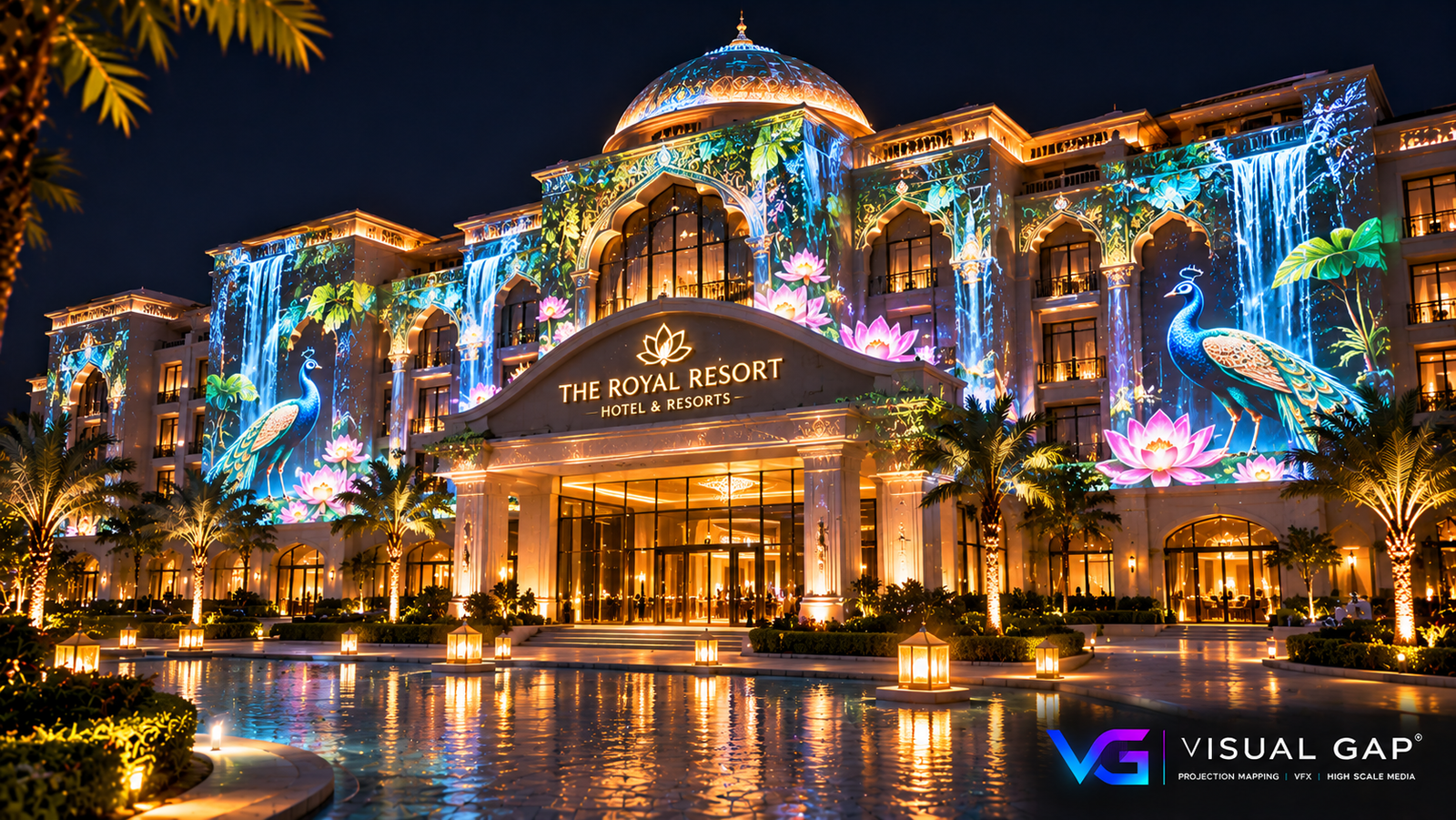
A hotel’s exterior architecture can become a distinctive visual attraction through projection mapping.
Large-scale projections can transform suitable façades into dynamic displays that communicate a property’s character, celebrate special occasions, or create memorable evening experiences.
Potential applications include:
Animated architectural lighting and visual effects.
Hotel anniversary celebrations.
Seasonal and festive displays.
Cultural storytelling inspired by the destination.
Luxury brand presentations.
Special events and destination celebrations.
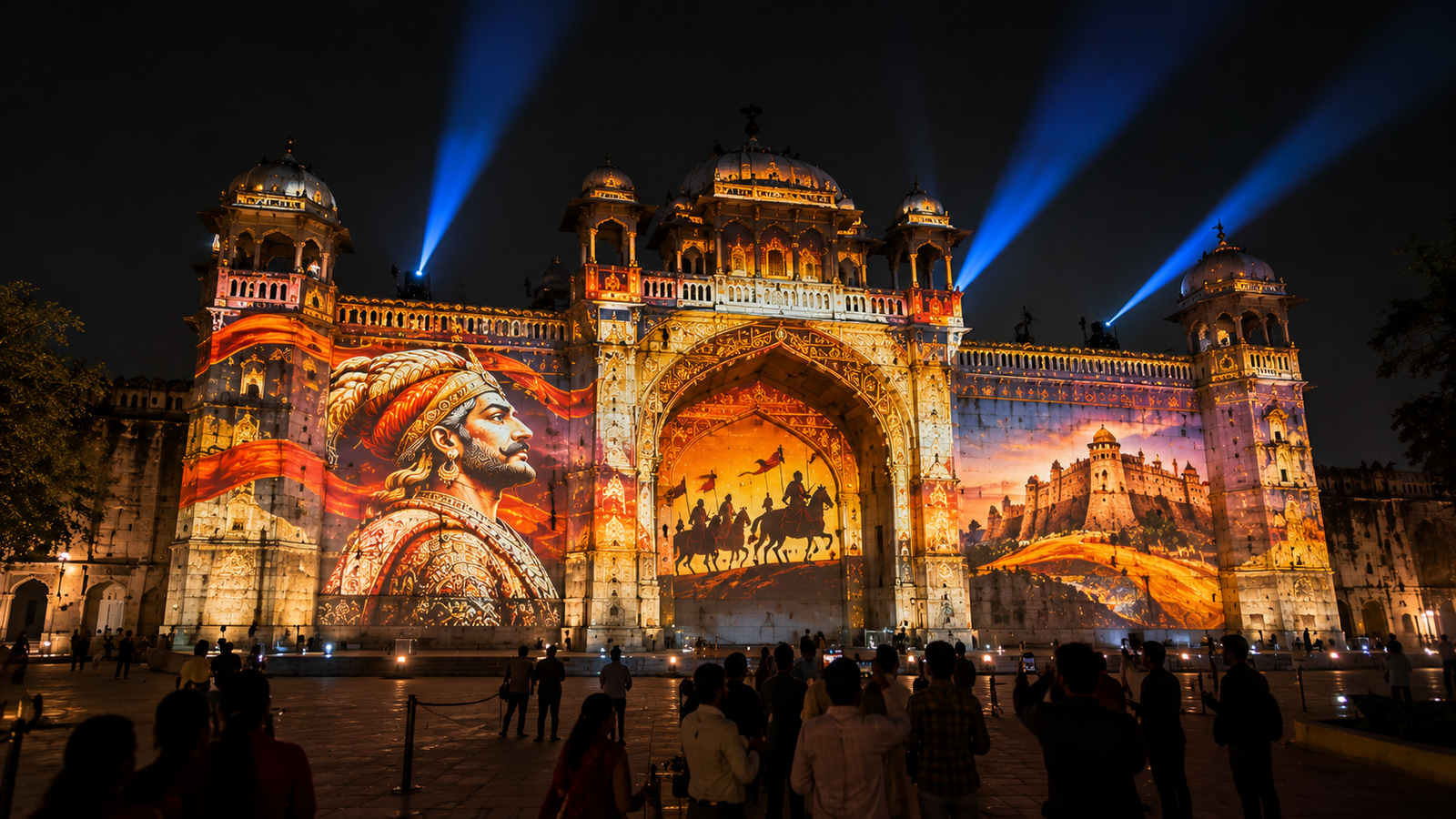
For heritage properties, projections can highlight architectural details and communicate historical narratives without permanently altering the building’s appearance.
For contemporary resorts, abstract animations and sophisticated motion graphics can complement the property’s architecture and visual identity.
Successful façade projection mapping requires accurate measurements, suitable projection surfaces, careful projector placement, and appropriate brightness for the surrounding conditions.
Hotels should also consider local permissions, guest comfort, neighbouring properties, and environmental conditions before installing an outdoor projection system.
2. Creating Immersive Hotel Lobby Experiences
The lobby is often the first major interior space guests encounter. Its design establishes the atmosphere and creates an initial impression of the property.
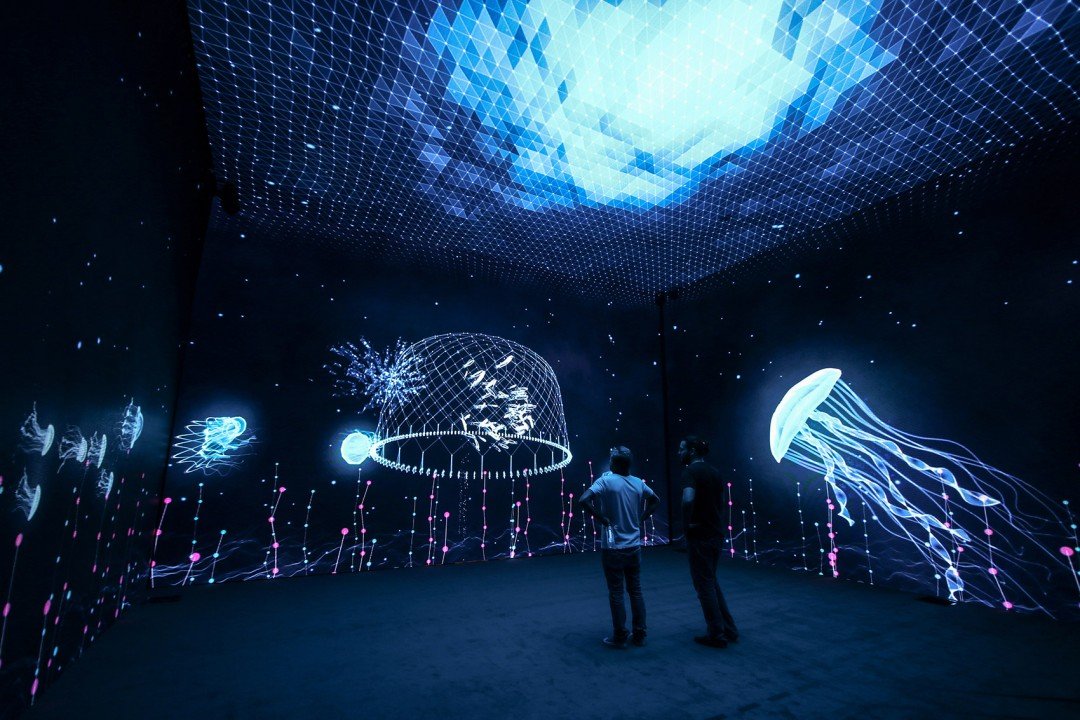
Projection mapping can help transform suitable lobby surfaces into immersive visual environments that complement the hotel’s design.
For example, a luxury resort inspired by nature might use subtle animated botanical visuals, while an urban hotel could feature abstract architectural patterns and contemporary digital art.
Possible applications include:
Digital art installations: Display carefully designed visuals on suitable walls or architectural features.
Brand storytelling: Introduce the hotel’s history, philosophy, or connection to its destination.
Seasonal experiences: Adapt visuals for festivals, holidays, and special occasions.
Immersive welcome environments: Create a coordinated visual presentation for VIP arrivals and important events.
The design should remain appropriate for a hospitality setting. Projection content should complement the interior rather than overwhelm guests, interfere with reception operations, or reduce the visibility of important information.
3. Projection Mapping for Luxury Dining and Restaurants
Dining experiences are an important part of luxury hospitality. Restaurants increasingly look for ways to create distinctive atmospheres that complement their menus, interiors, and service styles.
Projection mapping can introduce visual storytelling into selected dining environments.
A restaurant might use subtle projected patterns to complement its interior design, while a private dining room could feature a customized visual theme for an exclusive event.
Possible applications include:
Immersive dining environments.
Private dining celebrations.
Chef-led culinary events.
Seasonal restaurant themes.
Premium brand collaborations.
Special tasting experiences.
Some installations may also use projection mapping on tables or specially designed dining surfaces. These require careful planning to ensure that projected visuals do not interfere with food presentation, guest comfort, or the practical requirements of service.
In fine dining, visual content should generally remain elegant and controlled. Excessive movement, brightness, or sound can distract from the food and the social experience.
4. Projection Mapping for Resort Gardens and Outdoor Spaces
Resorts often feature landscaped gardens, courtyards, swimming-pool areas, and open-air event spaces that can support distinctive visual experiences.
Projection mapping can introduce temporary visual installations that complement the natural environment and architecture.
Depending on the location and available surfaces, a resort might create a themed evening experience using architectural projections, sculptural installations, or projections on suitable structures within the landscape.
Examples include:
Garden-themed visual experiences.
Cultural storytelling shows.
Evening entertainment programmes.
Special occasion celebrations.
Seasonal resort experiences.
Visual installations for destination events.
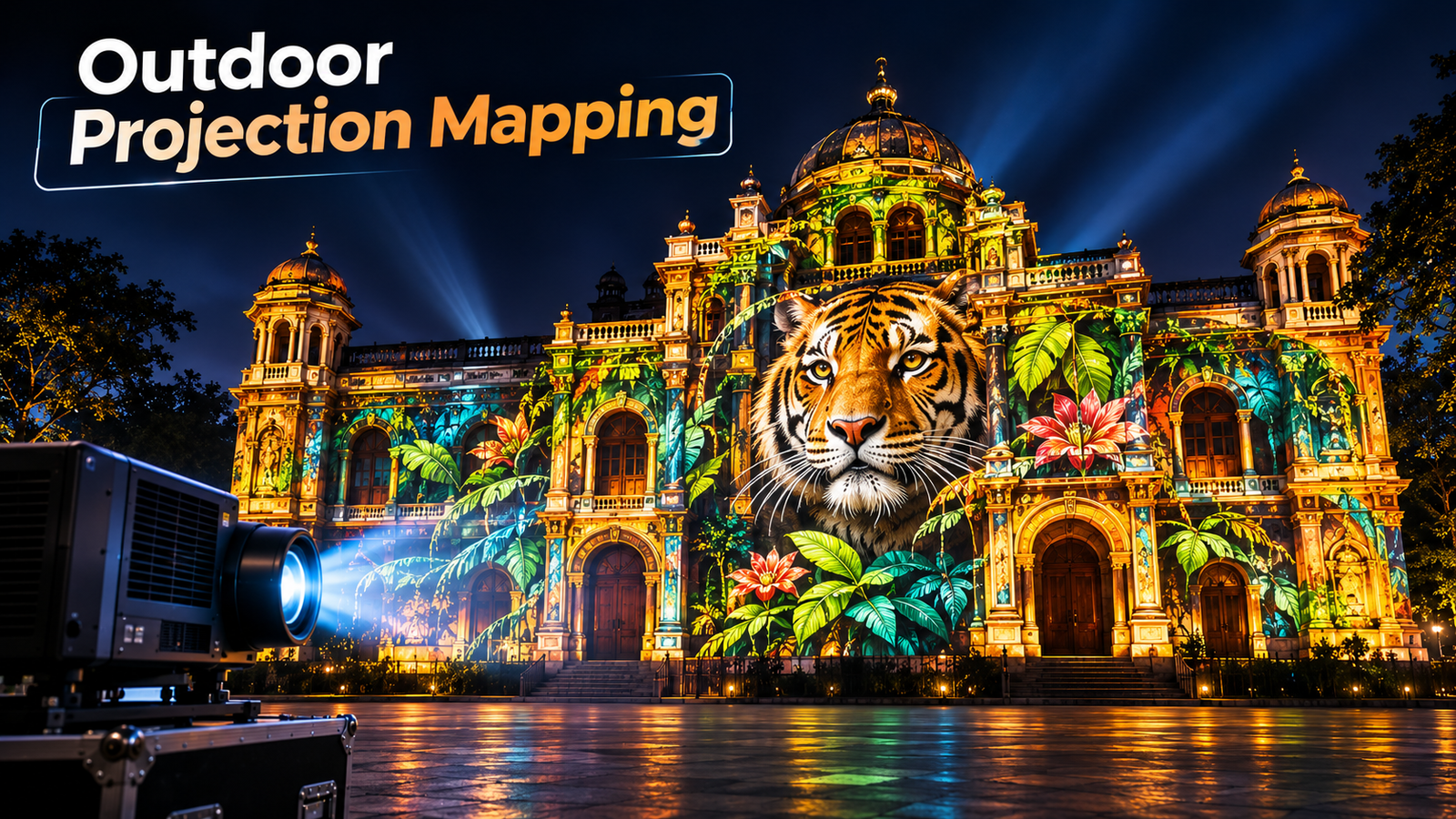
Outdoor installations require careful assessment of ambient light, surface reflectivity, projector placement, weather exposure, and equipment protection.
Trees, foliage, uneven surfaces, and changing environmental conditions can also affect projection quality.
A successful outdoor concept should be designed specifically for the site rather than simply transferring an indoor projection setup to an exterior location.
Learn more about these considerations in Visual GAP’s guide to Outdoor Projection Mapping.
5. Projection Mapping for Weddings and Destination Events
Luxury hotels and resorts frequently host weddings, conferences, private celebrations, and high-profile social events.
Projection mapping can help transform event spaces to suit different themes without requiring an entirely new physical environment for each occasion.
For destination weddings, it can support personalized stage visuals, architectural storytelling, and immersive reception experiences.
For corporate retreats, it can introduce branded stage environments and visual presentations.
For anniversary celebrations and private functions, it can provide customized content that reflects the occasion.
Potential benefits include:
Personalized event environments.
Dynamic stage backdrops.
Customized brand and couple storytelling.
Visual transitions between event segments.
Architectural highlights for evening celebrations.
Distinctive experiences for VIP guests.
Hotels considering this service should coordinate projection mapping with event planners, decorators, audio-visual teams, and venue operations.
A well-integrated installation can complement the event design while preserving practical requirements such as guest movement, emergency exits, and clear sightlines.
6. Projection Mapping for Heritage Hotels and Cultural Resorts
Heritage hotels often have a strong connection to local architecture, history, and cultural identity.
Projection mapping can help communicate these stories through visuals designed around the property’s physical structure and historical significance.
A heritage property could present an illustrated timeline of its history, highlight architectural details, or introduce stories about the region through carefully designed projections.
Cultural resorts might use visual storytelling to showcase local traditions, crafts, landscapes, and historical events.
Possible applications include:
Architectural storytelling.
Historical visual presentations.
Cultural interpretation experiences.
Heritage-themed evening shows.
Destination identity and local narratives.
Special programmes for hotel guests.
Historical accuracy and cultural sensitivity are important when developing such content. The narrative should be researched carefully and, where appropriate, reviewed by historians or cultural specialists.
The installation should also respect conservation requirements. Protected structures may have restrictions on equipment mounting, access, illumination, and installation methods.
Where permanent changes are not permitted, carefully planned temporary projection installations may provide an alternative, subject to the relevant approvals.
7. Projection Mapping as a Hospitality Marketing Tool
Projection mapping can support a hotel’s marketing strategy by creating distinctive visual experiences that guests may want to photograph, record, and share.
A well-designed installation can become part of a property’s identity, particularly when it is closely connected to the destination, architecture, or guest experience.
For example, a resort could create a signature evening show that becomes a regular feature of its guest programme.
A hotel launching a new property could use projection mapping during its opening celebration to introduce its design and brand story.
Potential marketing applications include:
Hotel launch events.
Anniversary celebrations.
Destination campaigns.
Premium brand partnerships.
Seasonal promotional experiences.
Social-media-friendly visual attractions.
However, projection mapping alone does not guarantee increased bookings or revenue. Its commercial value depends on the quality of the experience, the target audience, operating costs, marketing strategy, and how effectively it supports the hotel’s broader goals.
Hotels should establish clear objectives before investing in a permanent installation or recurring show.
8. How Much Does Projection Mapping for Hotels Cost?
The cost of projection mapping for hotels and resorts depends on the scale of the installation, the physical environment, and the desired guest experience.
A small indoor installation may require a relatively simple setup, while a large façade show or multi-projector immersive environment can involve considerably more equipment and content production.
Major cost factors include:
Number and brightness of projectors.
Building dimensions and surface complexity.
Projector lenses and mounting requirements.
Custom animation and content production.
Mapping, calibration, and playback systems.
Media servers and control equipment.
Audio integration and show synchronization.
Installation, testing, and commissioning.
Weather protection for outdoor equipment.
Ongoing maintenance and content updates.
A one-time event installation may have different requirements from a permanent attraction that operates every evening.
Hotels should also consider electricity consumption, operator requirements, equipment replacement, and the costs of refreshing content over time.
For a realistic quotation, prepare a project brief covering the venue, projection surfaces, intended operating schedule, content requirements, and expected audience experience.
For additional budgeting guidance, see Visual GAP’s Projection Mapping Costs guide.
9. How to Plan a Successful Hotel Projection Mapping Installation
A successful hospitality installation requires coordination between the creative concept, technical system, property design, and guest experience.
Define the Objective
Decide whether the installation will support guest entertainment, brand storytelling, event programming, architectural enhancement, or a combination of these goals.
Assess the Property
Evaluate the proposed projection surfaces, ambient lighting, guest circulation, equipment positions, and available infrastructure.
For outdoor installations, also assess weather exposure and the property’s operating conditions.
Develop Content Around the Brand
The visuals should reflect the hotel’s character, location, architecture, and target audience.
A heritage resort may benefit from cultural storytelling, while a contemporary luxury hotel may prefer sophisticated abstract visuals.
Choose the Appropriate Technology
Projector brightness, resolution, lenses, media servers, and mapping workflows should be selected according to the installation requirements.
Coordinate With Hotel Operations
Installation schedules, guest privacy, noise levels, equipment access, and safety requirements must be considered.
For permanent installations, the hotel team should receive suitable training and maintenance documentation.
Test Before Launch
Conduct technical tests to evaluate image alignment, brightness, colour, playback reliability, and visibility from important guest areas.
For scheduled shows, rehearse the complete sequence and establish procedures for equipment or playback failures.
Conclusion
Projection mapping for luxury hotels and resorts offers new opportunities to combine architecture, digital storytelling, and hospitality design.
From impressive façade shows and immersive lobbies to destination weddings and heritage experiences, projection mapping can help properties develop distinctive visual attractions that complement their identity.
The strongest installations begin with a clear purpose and are designed around the property’s architecture, operating conditions, and guest expectations.
For hotels and resorts considering this technology, the priority should be to create an experience that is visually engaging, operationally practical, and relevant to the brand.
Visual GAP develops projection mapping and immersive visual experiences for architectural environments, museums, exhibitions, events, and branded installations. By combining creative content with technical planning, Visual GAP helps hospitality venues explore new ways to present their spaces and stories.