Projection Mapping for Hotels and Resorts: Creating Immersive Guest Experiences
Hotels and resorts are constantly looking for ways to differentiate themselves, improve guest experiences, and create memorable destinations. Beautiful architecture, premium interiors, and excellent hospitality remain essential, but immersive visual experiences can add another dimension to the guest journey.
Projection mapping for hotels and resorts uses specialised projectors to transform building facades, architectural features, event spaces, and selected interior surfaces into dynamic visual environments. By combining animation, sound, lighting, and storytelling, hospitality brands can create distinctive experiences for guests and visitors.
From spectacular hotel facade shows to immersive dining environments and resort entertainment, projection mapping offers creative opportunities to combine architecture, technology, and hospitality.
What Is Projection Mapping in Hospitality?
Projection mapping is a visual technology that aligns digital content with the geometry of a physical surface. Unlike conventional projection onto a flat screen, it can use the architectural features of a building or interior space as part of the visual presentation.
In hospitality environments, projection mapping can be used on:
Hotel and resort facades
Ballroom walls and event stages
Restaurant ceilings and dining surfaces
Architectural installations
Swimming pool surroundings and suitable outdoor structures
Exhibition spaces and hospitality venues
Specially designed immersive rooms
The content can be customised to match the hotel’s identity, the surrounding environment, a seasonal celebration, or a particular guest experience.
For example, a luxury resort could use facade projection mapping to present a visual story inspired by its location, while a hotel ballroom could be transformed for a themed gala or corporate event.
Explore our Complete Projection Mapping Guide to understand the technology and its applications.
Benefits of Projection Mapping for Hotels and Resorts
1. Create Spectacular Hotel Facade Experiences
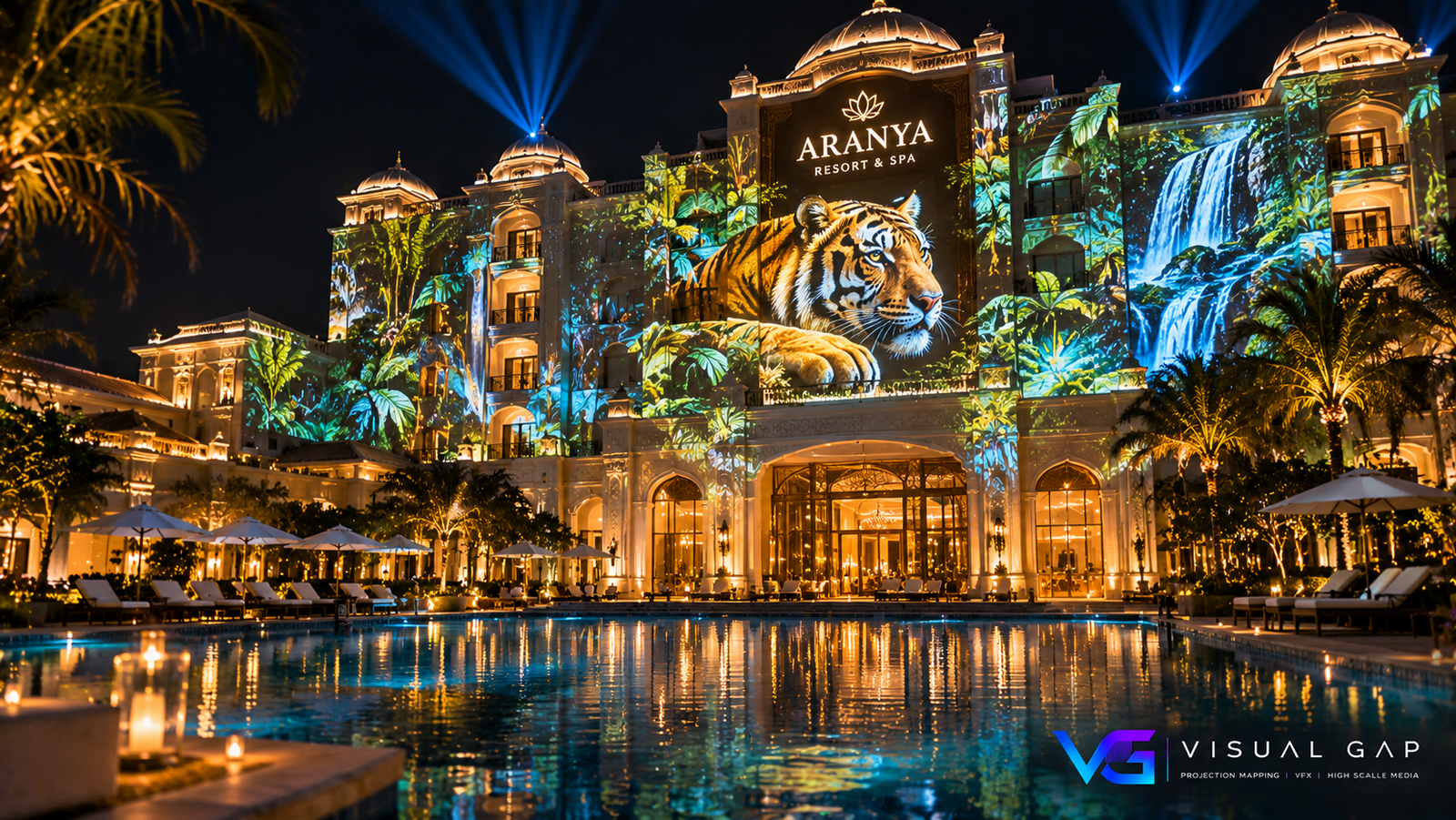
A hotel’s architecture can become a visual attraction through carefully designed facade projection mapping.
Digital visuals can highlight architectural details, introduce animated patterns, or create the illusion of changing materials and structures. The content can also communicate the hotel’s identity through imagery inspired by local culture, nature, art, or design.
Facade projection mapping may be particularly suitable for destination resorts, landmark hotels, and hospitality properties that host public celebrations or special events.
The installation must be planned around the building’s geometry, ambient lighting, projector positions, and the expected viewing conditions.
2. Enhance Luxury Guest Experiences
Luxury hospitality is often associated with personalised service, thoughtful design, and memorable experiences.
Projection mapping can complement these qualities through immersive presentations in selected areas of a hotel or resort.
Possible applications include visual installations in reception areas, private event spaces, premium lounges, and specially designed guest experiences.
The objective should be to complement the atmosphere of the property rather than overwhelm guests with unnecessary visual effects.
A well-designed experience considers the guest’s comfort, the intended mood, and how the visuals fit into the overall hospitality environment.
3. Transform Restaurants and Dining Experiences
Dining is an important part of the hospitality experience, and projection mapping can introduce a visual dimension to selected restaurants and private dining spaces.
For example, projections could create seasonal environments, introduce imagery inspired by a destination, or support a themed dining event.
A restaurant might present an immersive visual narrative that changes between courses or use subtle architectural projections to establish a particular atmosphere.
These experiences require careful consideration of brightness, surface materials, table layouts, staff movement, and guest comfort. The visual content should not interfere with food presentation or normal restaurant operations.
4. Improve Weddings and Corporate Events
Hotels and resorts frequently host weddings, conferences, gala dinners, product launches, and corporate gatherings.
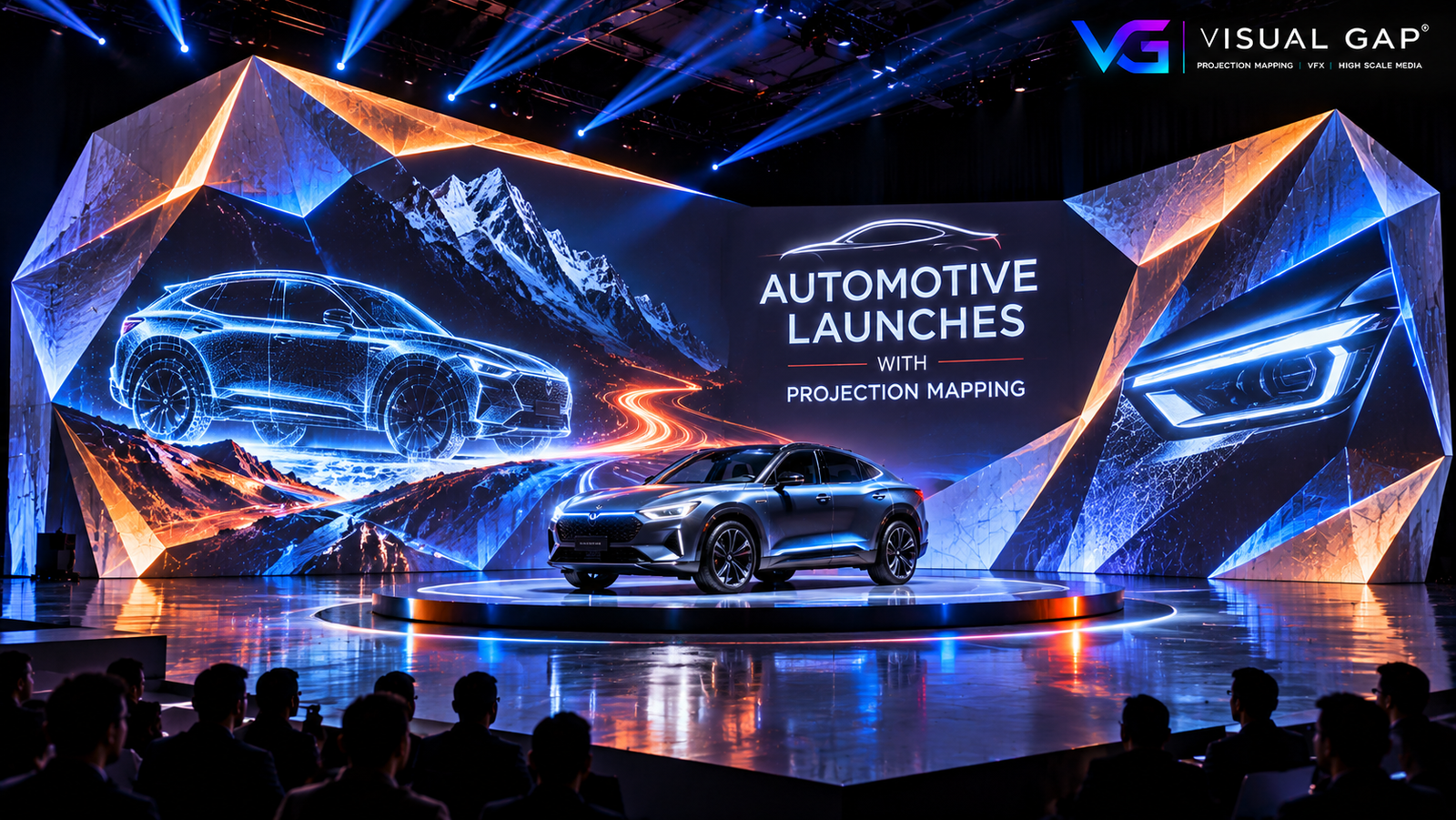
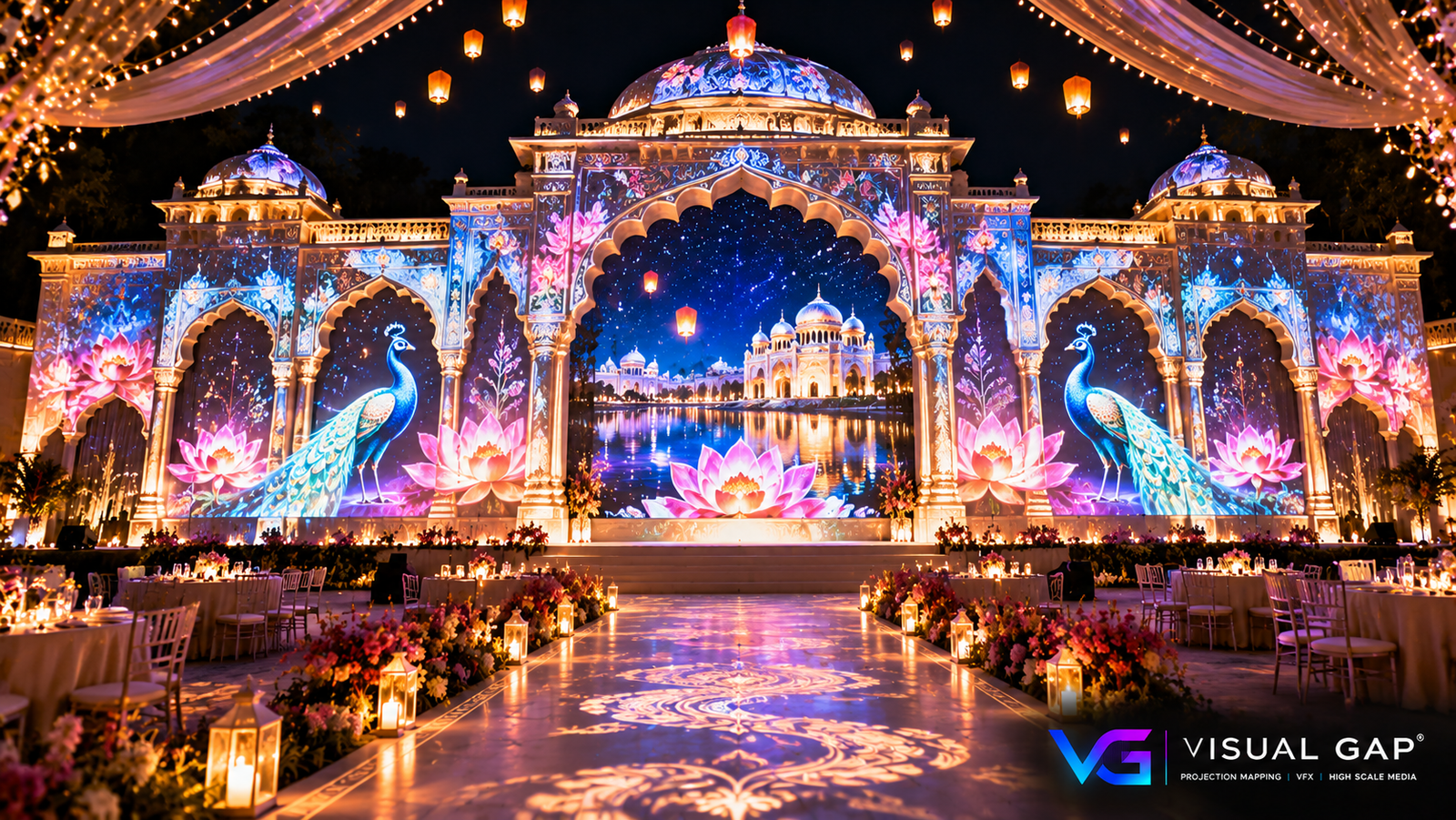
Projection mapping can transform suitable stages, walls, and architectural features into customised event environments.
Applications include:
Wedding reception backdrops
Corporate gala dinners
Product launches
Awards ceremonies
Destination weddings
Conference presentations
Themed celebrations
The content can be tailored to the event’s theme, brand identity, or visual narrative.
For event venues, the technical plan should account for installation schedules, projector placement, stage lighting, playback requirements, and the time available for rehearsals.
5. Support Destination Branding
Hotels and resorts often draw on their location as part of their identity. A property near a historic town, coastal landscape, forest, or culturally significant destination may use projection mapping to communicate aspects of that environment.
Visual storytelling can feature regional art, local history, landscapes, architecture, and cultural traditions.
These experiences can contribute to a property’s distinct identity and provide material for promotional campaigns.
However, cultural and historical content should be developed responsibly, with appropriate research and consultation when needed.
Popular Projection Mapping Applications for Hotels and Resorts
Different hospitality properties have different architectural features, audiences, and operational needs.
| Application | Potential Experience |
|---|---|
| Hotel facades | Architectural transformations and branded visual shows |
| Resort entertainment | Scheduled visual experiences for guests |
| Restaurants | Themed dining environments |
| Ballrooms | Immersive wedding and gala presentations |
| Conference venues | Customised corporate event visuals |
| Luxury lounges | Atmospheric architectural projections |
| Destination resorts | Visual storytelling inspired by local culture |
| Special events | Seasonal celebrations and promotional installations |
The right solution depends on the property’s positioning, available surfaces, guest profile, technical infrastructure, and budget.
Projection Mapping for Hotel Facades
Facade projection mapping can create a distinctive visual experience by aligning animated content with the hotel’s architectural structure.
Before designing a show, the project team should assess the building’s dimensions, surface materials, viewing distances, surrounding light, and available projector locations.
The creative concept should also reflect the property’s character. A contemporary business hotel may require a different visual approach from a heritage resort or a luxury coastal property.
For outdoor installations, additional considerations include weather protection, equipment security, cable routing, power availability, and safe access for installation and maintenance.
Learn more about exterior installations in our guide to Outdoor Projection Mapping.
How to Plan a Projection Mapping Project for a Hotel
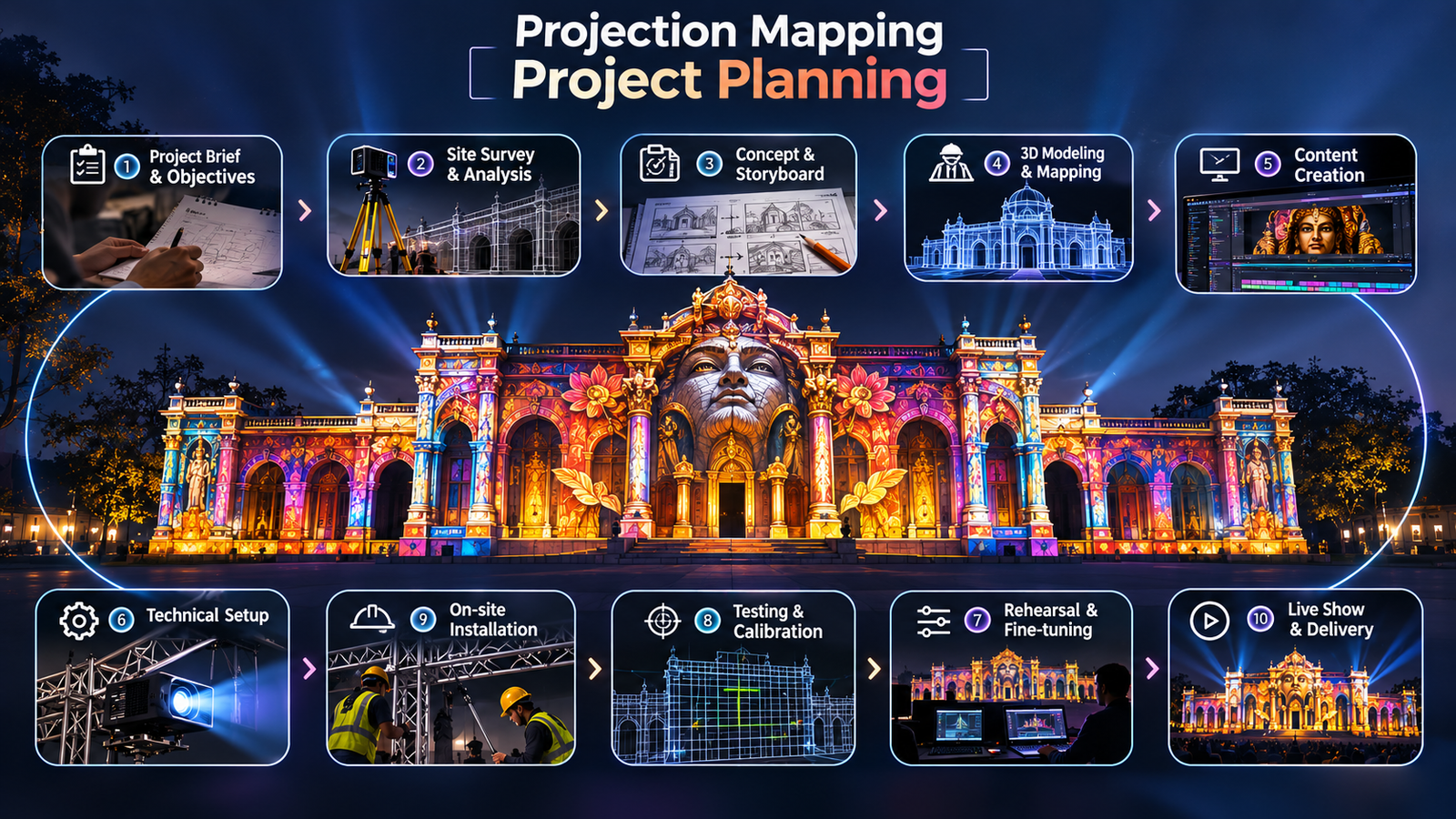
A successful hospitality installation combines creative development, technical design, and operational planning.
Step 1: Define the Guest Experience
Start by identifying the purpose of the installation.
Is it intended to welcome guests, support an event, create an evening attraction, enhance dining, or promote the hotel’s identity?
A clear objective helps determine the creative direction and the appropriate technical solution.
Step 2: Select the Right Surface
Assess the building facade, interior walls, ceiling, event stage, or other proposed projection surface.
Its dimensions, colour, texture, geometry, and position will affect the final result.
The surface must also be suitable for the intended projection distance and viewing conditions.
Step 3: Develop the Creative Concept
Create a visual concept that reflects the hotel’s brand, architecture, location, and target audience.
Content may feature abstract animation, nature-inspired imagery, cultural storytelling, architectural transformations, or branded visuals.
For permanent installations, consider how the content can remain relevant over time and whether seasonal updates will be required.
Step 4: Design the Projection System
The technical team determines the projector specifications, lenses, number of projectors, mounting positions, image coverage, media servers, and playback requirements.
Indoor and outdoor environments may require different equipment configurations.
The design should also consider ambient lighting, equipment ventilation, cable management, power supply, and access for maintenance.
Step 5: Produce and Map the Content
The visual content is created according to the physical surface.
Projection mapping software and calibration tools are used to align the imagery with the architecture or installation.
Accurate mapping is particularly important when animations interact with columns, arches, windows, decorative details, or complex interior structures.
Step 6: Test and Rehearse
Before opening the experience to guests, test the full system under the expected operating conditions.
Check image alignment, contrast, playback reliability, sound levels, guest sightlines, and the transition between visual sequences.
For hotels, testing should also account for normal operations, guest movement, and any restrictions imposed by the venue.
Step 7: Plan Ongoing Operations
Permanent or recurring installations need a practical maintenance plan.
Consider equipment servicing, content updates, technical staffing, operating schedules, power consumption, and procedures for handling equipment failures.
A reliable operating plan helps protect the guest experience over the long term.
How Much Does Projection Mapping for Hotels and Resorts Cost?
The cost of projection mapping depends on the property’s architecture, installation scale, equipment requirements, and content complexity.
Major cost factors include:
Size and geometry of the projection surface
Number and specifications of projectors
Custom animation and content production
Media servers and playback systems
Installation and mounting requirements
Electrical infrastructure and cabling
Audio and lighting integration
Site surveys and technical rehearsals
Maintenance and operational support
A temporary projection show for a hotel event may have very different requirements from a permanent facade installation or an immersive dining environment.
The most reliable way to estimate costs is to assess the location, define the intended experience, and prepare a technical and creative brief.
For more details, read our guide to Projection Mapping Costs.
Challenges to Consider Before Installation
Projection mapping can create memorable experiences, but hospitality environments have specific operational requirements.
Ambient lighting: Bright indoor lighting or nearby exterior lights can reduce image contrast.
Guest comfort: Excessive brightness, distracting motion, or high audio levels may negatively affect the experience.
Operational disruption: Installation and maintenance should be scheduled to minimise interference with hotel operations.
Surface suitability: Glass, reflective materials, and irregular architectural features may require specialised planning.
Weather conditions: Outdoor systems need suitable protection against local environmental conditions.
Safety and accessibility: Equipment, cables, and mounting structures must not obstruct guest routes or emergency exits.
Long-term maintenance: Permanent installations require ongoing technical support and content management.
Addressing these factors early helps ensure that the installation supports hospitality operations rather than complicating them.
Is Projection Mapping Worthwhile for Hotels and Resorts?
Projection mapping can be valuable for hospitality properties that want to create distinctive visual experiences, enhance special events, or communicate their identity through architecture.
Its commercial value depends on the property’s goals, guest demand, installation costs, operational requirements, and the quality of the experience.
Before investing, hotel management should consider whether the installation will be used for recurring entertainment, event bookings, destination marketing, or a one-time celebration.
Projection mapping is not necessary for every property. It is most effective when the creative concept complements the location and serves a clear purpose within the guest experience.
Conclusion
Projection mapping for hotels and resorts offers a creative way to connect architecture, digital storytelling, and hospitality.
From hotel facade shows and immersive dining to weddings, corporate events, and destination-inspired experiences, the technology can transform selected spaces into engaging visual environments.
The best results come from combining a clear creative concept with careful technical planning, guest-focused design, and reliable long-term operations.
Visual GAP develops projection mapping and immersive visual experiences for architectural spaces, museums, events, and public attractions. Each project is tailored to the location, the creative brief, and the experience the audience should take away.