3D Projection Mapping: How It Works, Benefits and Applications
3D projection mapping transforms buildings, monuments, objects, and indoor spaces into dynamic visual experiences. By aligning digital animation with the physical shape of a surface, it creates the illusion that structures are moving, opening, transforming, or changing their appearance.
This technology is widely used for architectural shows, museums, product launches, cultural events, and immersive installations.
Unlike ordinary video projection onto a flat screen, 3D projection mapping uses the geometry of real objects to create visual depth and perspective. The result can make a building appear to break apart, reveal hidden structures, or transform into an entirely different environment.
In this guide, we explain how 3D projection mapping works, where it is used, and what is required to produce a successful show.
What Is 3D Projection Mapping?
3D projection mapping is a technique that maps digital visuals onto three-dimensional surfaces, using their shape, dimensions, and architectural features as part of the content.
These surfaces may include building facades, monuments, sculptures, product models, museum exhibits, and specially constructed installations.
The content is designed to match the target surface so that animation appears integrated with the physical structure.
For example, a historic building can appear to change architectural styles, while a monument can become the centre of a cinematic visual narrative.
For a broader introduction, read our Complete Projection Mapping Guide.
How Does 3D Projection Mapping Work?
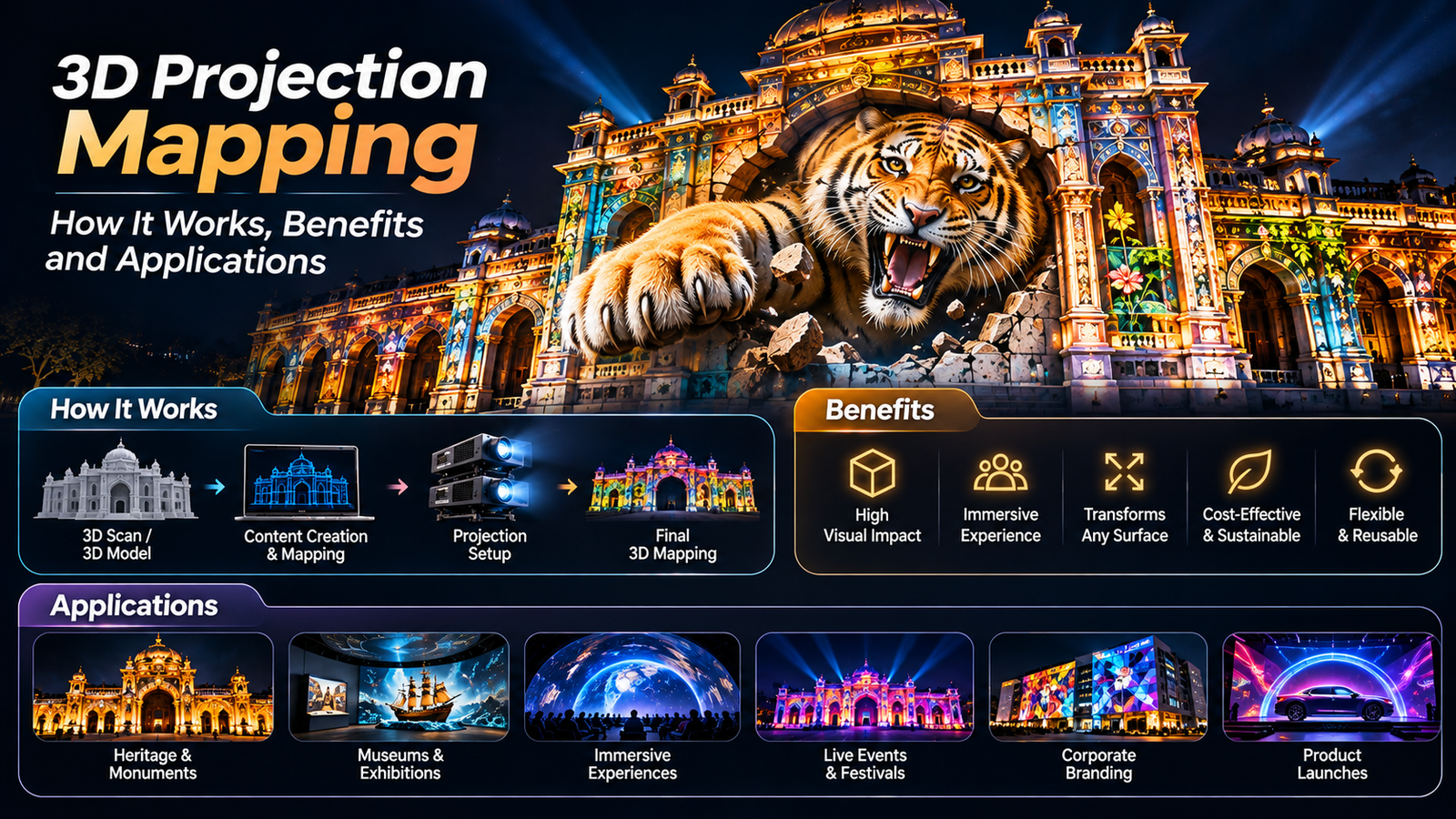
A 3D projection mapping project combines creative content with technical calibration.
1. Surface Survey and Measurement
The process begins with measuring the target structure and identifying its architectural details, depth, angles, and projection surfaces.
For large buildings, the team may use photographs, elevation drawings, 3D models, or site surveys to understand the geometry.
2. Content Design and 3D Animation
Artists create digital content that matches the shape of the structure.
This may involve modelling architectural elements, creating realistic textures, designing lighting effects, and animating visual transformations.
The animation must account for the actual surface so that effects appear correctly aligned from the intended viewing position.
3. Projection Planning
Projector positions are selected according to the structure’s size, viewing angles, ambient light, brightness requirements, and available installation locations.
Large projects may require multiple projectors to cover the entire surface.
4. Mapping and Calibration
The content is aligned with the physical structure using projection mapping software.
The team adjusts position, scale, perspective, and geometry so that the projected visuals match the building or object.
5. Testing and Playback
The final stage involves testing the content on the actual surface, correcting alignment issues, checking image quality, and synchronising playback with audio when required.
Learn more about the technical process in our guide on How Does Projection Mapping Work?.
Applications of 3D Projection Mapping
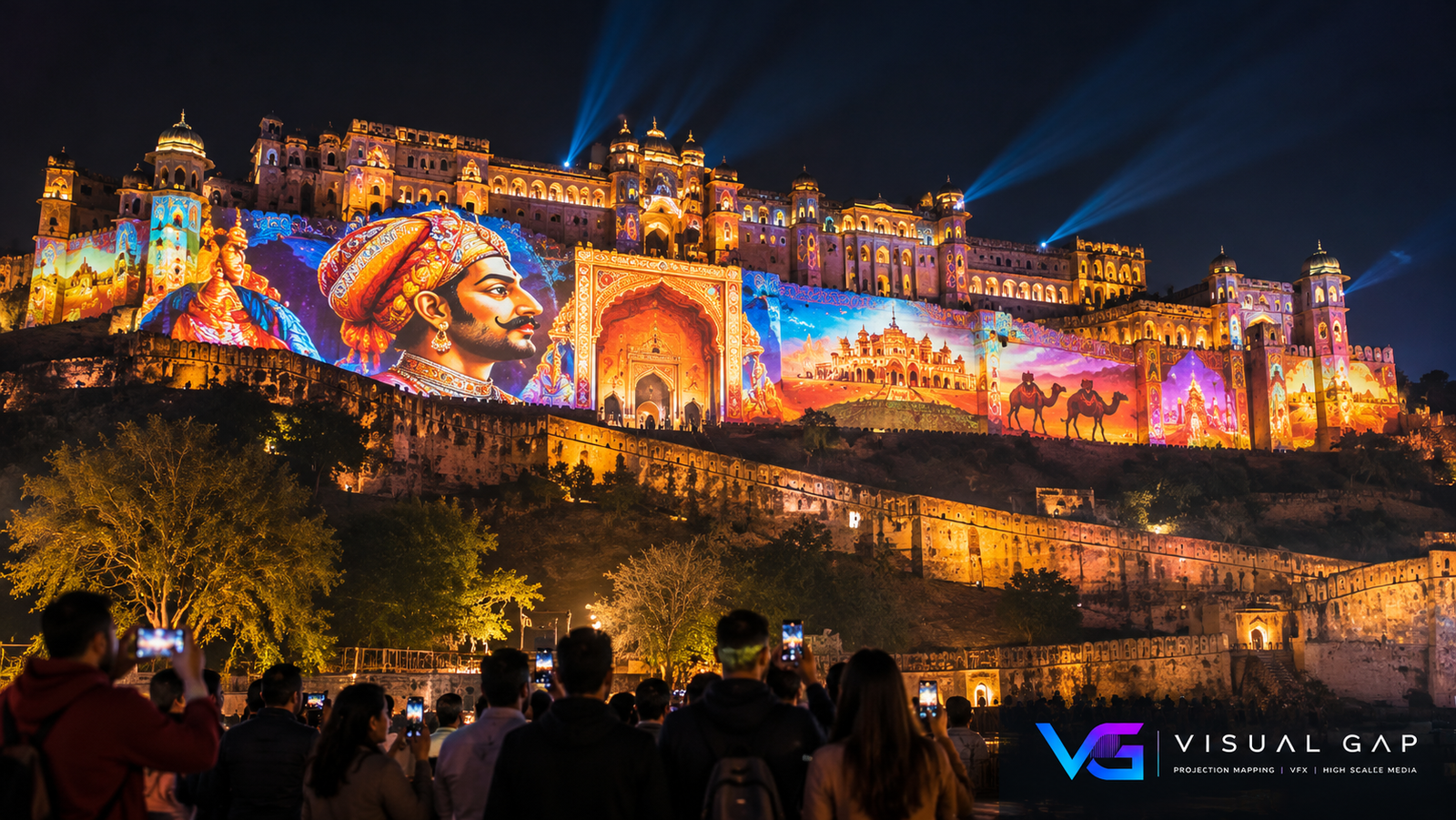
Architectural and Monument Mapping
Historic buildings, monuments, and architectural landmarks can become large-scale storytelling surfaces.
Projection mapping can highlight architectural features, recreate historical scenes, and present cultural narratives through animation.
The content can be designed to complement the structure rather than simply displaying a video across its facade.
Museum and Heritage Experiences
Museums can use 3D projection mapping to visualise historical structures, illustrate how objects were used, and bring cultural stories to life.
It can also help visitors understand architectural changes or historical environments that no longer exist.
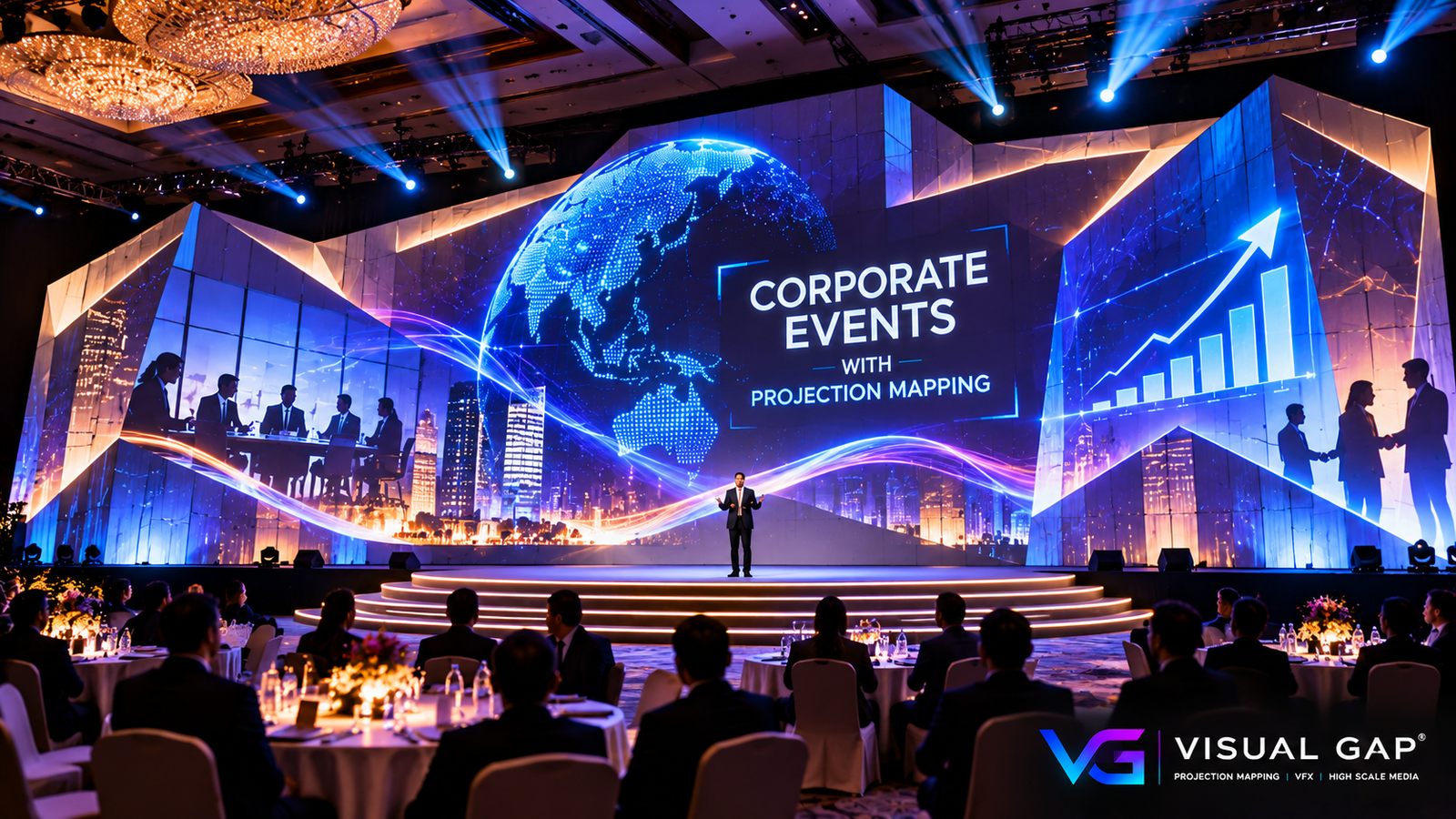
Corporate Events and Product Launches
Brands can use 3D projection mapping to create dramatic product reveals and stage presentations.
A product model can appear to change materials, reveal internal components, or transform through a sequence of animations.
Entertainment and Live Events
Projection mapping can transform stage sets, sculptures, and event installations into animated environments.
When combined with music, lighting, and performance, it can create a cohesive audiovisual experience.
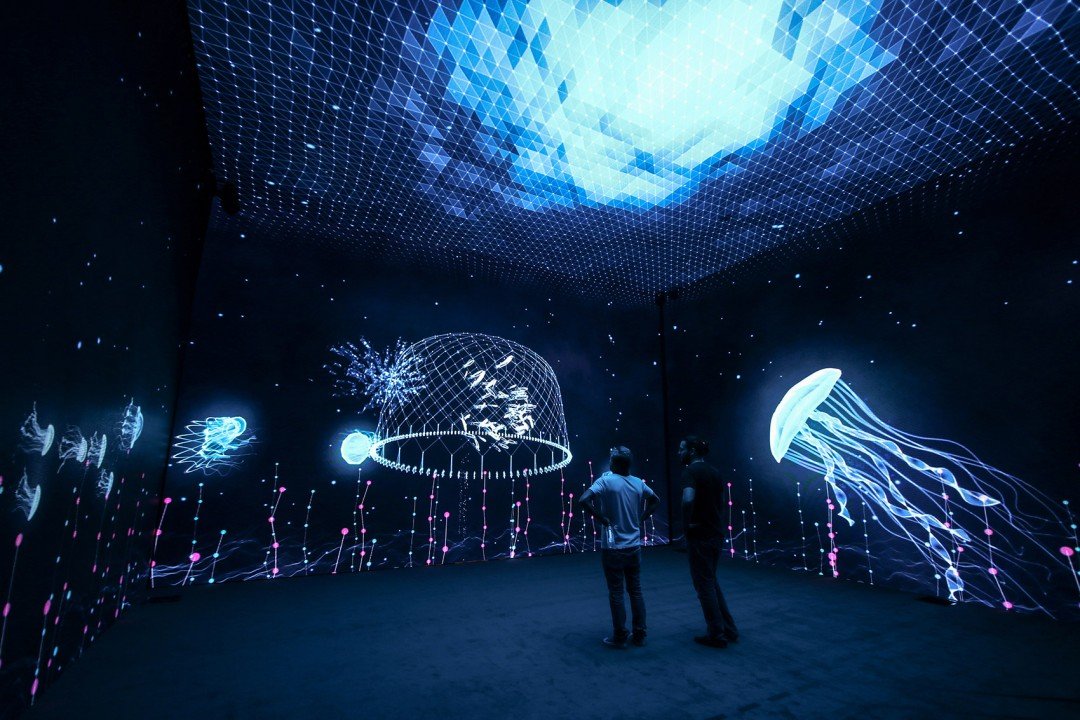
Immersive Indoor Installations
Indoor projection mapping can transform walls, ceilings, floors, and physical objects into connected digital environments.
These installations are used in exhibitions, interactive experiences, themed attractions, and experiential spaces.
What Equipment Is Required for 3D Projection Mapping?
The equipment depends on the project’s size, viewing conditions, and creative requirements.
Typical components include:
High-brightness projectors: Selected according to surface size, ambient light, and required image quality.
Projection lenses: Chosen to suit the throw distance and installation geometry.
Media servers: Used to play back and manage complex visual sequences.
Mapping software: Helps align digital content with the physical structure.
Content creation workstations: Used to produce 3D models, animation, and visual effects.
Mounting and signal equipment: Supports safe installation and reliable connections.
Audio systems: Required when the show includes narration, music, or sound effects.
Large-scale projects may also require multiple-projector blending, specialised rigging, backup systems, and on-site technical operators.
2D vs 3D Projection Mapping
The main difference lies in the complexity of the content and how it uses the target surface.
2D projection mapping generally uses content designed around a surface layout, often with simpler visual transformations.
3D projection mapping uses perspective, depth, lighting, shadows, and surface geometry to create more convincing illusions of volume and physical transformation.
Both techniques can be effective. The right approach depends on the structure, creative objective, budget, and production requirements.
Read our detailed comparison of 2D vs 3D Projection Mapping.
What Affects the Cost of 3D Projection Mapping?
The budget depends on several factors:
Size and complexity of the projection surface
Number and specifications of projectors
Custom 3D modelling and animation
Mapping, calibration, and testing
Media server and playback requirements
Installation equipment and crew
Audio synchronisation and show control
Event duration and technical support
A small object-mapping installation will have very different requirements from a large monument show using multiple projectors and custom animation.
For more information, see our guide on Projection Mapping Costs.
Tips for a Successful 3D Projection Mapping Project
Start with the surface. The architecture or object should influence the content design from the beginning.
Plan viewing positions. Anamorphic effects depend on perspective, so the intended audience location matters.
Consider ambient light. Surrounding light can affect contrast and perceived image quality.
Match equipment to the site. Projector brightness, lens selection, and installation distance must be evaluated together.
Test on the actual structure. Previsualisation is useful, but on-site calibration is essential for a reliable result.
Keep storytelling clear. Spectacular effects work best when they support a coherent narrative rather than distracting from it.
Conclusion
3D projection mapping combines digital content, physical architecture, and carefully planned projection to create striking visual experiences.
From monument shows and museum installations to product launches and immersive environments, it offers creative possibilities that go beyond conventional screens.
At Visual GAP, we combine visual storytelling, 3D content creation, projection planning, and technical execution to develop projection-based experiences tailored to each space and project objective.
Whether you are planning an architectural show, a museum installation, or an immersive brand experience, the right combination of content and technology can transform an ordinary surface into a memorable visual experience.
Frequently Asked Questions
What is 3D projection mapping used for?
It is used for monument shows, architectural projection, museums, product launches, exhibitions, entertainment, and immersive installations.
Does 3D projection mapping require 3D animation?
Not every project requires extensive 3D animation. However, custom 3D modelling and animation are often used when the objective is to create realistic depth, perspective, and transformation effects.
Can 3D projection mapping be used indoors?
Yes. It can be used on indoor walls, ceilings, floors, sculptures, models, and exhibition structures.
How many projectors are needed for 3D projection mapping?
The number depends on the surface dimensions, brightness requirements, projector specifications, viewing conditions, and desired image coverage. Some projects use one projector, while larger installations require several.